

The first thing planted here was not tea. It was a decision — that this particular plateau, at just over five thousand feet, in the mist-laden highlands above Nuwara Eliya, was worth the effort of staying.
That was 1865. The Scottish had been moving through these hills for decades by then, reading the land the way prospectors read a riverbed. What they found at Ragala was altitude, moisture, and a quality of silence that the lower elevations could not offer. The initial coffee plantation did not endure. However, the Camellia sinensis bush, they discovered, did something unusual here. The cold nights within the valley slowed its growth. The slow growth concentrated the leaf. The concentrated leaf produced a flavour that was, by any measure, worth the climb.
The bungalow came shortly after the first tea planting in 1884 — built not as a grand statement but as a practical one. Someone had to be here. Someone had to know the land in the way that only living on it allows. The planters who built it were not, by temperament, men of ornament. The bungalow they left behind reflects that: perfect location for watching weather move across the valley, fireplaces for the evenings that dropped without warning into cold, rooms that were generous without being theatrical.
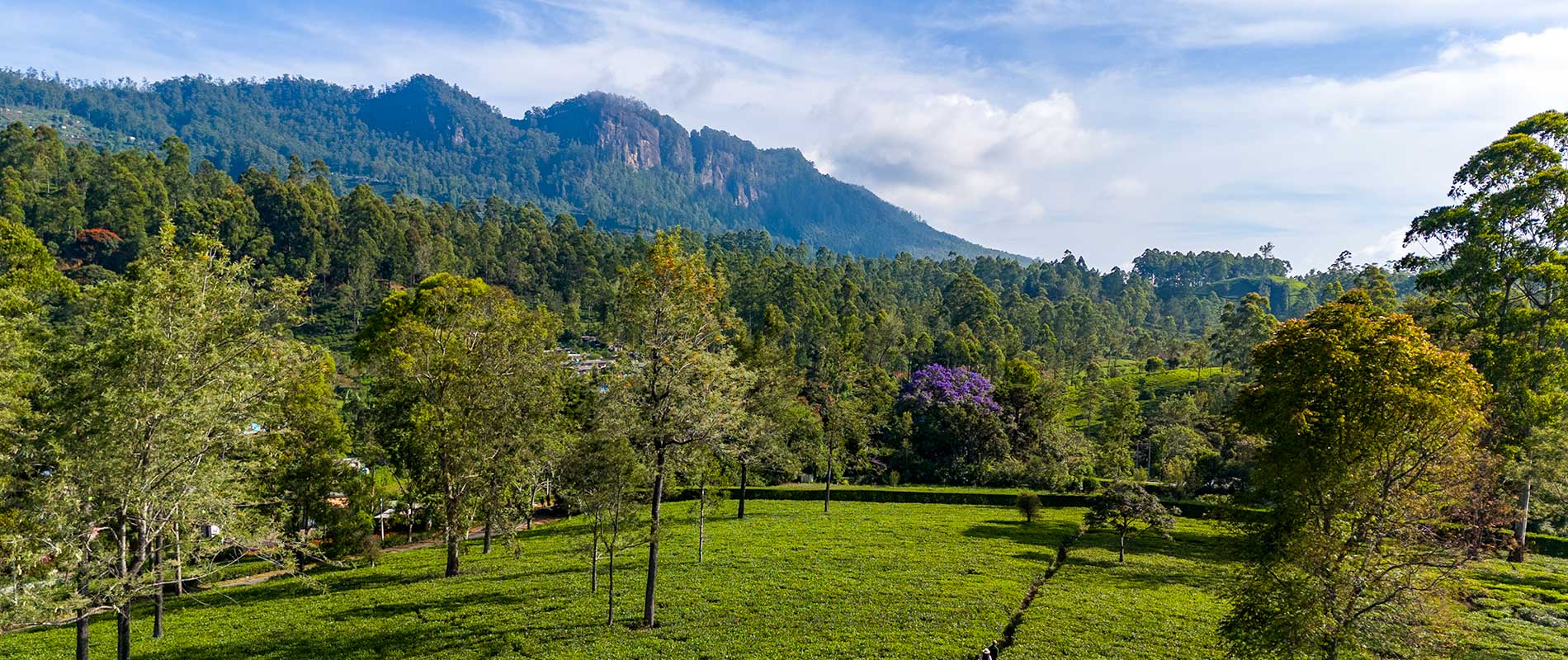
The estate changed hands across the decades that followed, as estates do. Different families, different approaches, the same land. Through the colonial period and beyond it, through the transformation of Ceylon into Sri Lanka, through the decades when the tea industry reshaped itself around new markets and new methods, the fifty acres at Ragala continued to produce leaves of unusual quality. The altitude saw to that. The altitude, in these hills, is not a detail. It is the whole story.
What the estate became, over time, was something harder to name than a tea plantation. It became a place with a particular character — absorbing the personalities of those who had lived within it, holding them in the grain of its floorboards and the growth patterns of its hedgerows. The eucalyptus forests that frame the upper boundary of the estate were not planted for beauty. They were planted for windbreak, for timber, for the practical reasons that drove every decision on a working estate. That they are also, on a misty morning, among the most quietly beautiful things in the Sri Lankan highlands is simply what happens when function is applied with enough patience.
The present owners came to Stafford the way most people come to the right place: not entirely by plan. What they found was an estate that had accumulated more than a century of character and was in need, not of transformation, but of careful attention. The work that followed was a restoration in the truest sense — not the restoration of a surface, but of an intention. The original architecture was not dismantled and reimagined. It was listened to.
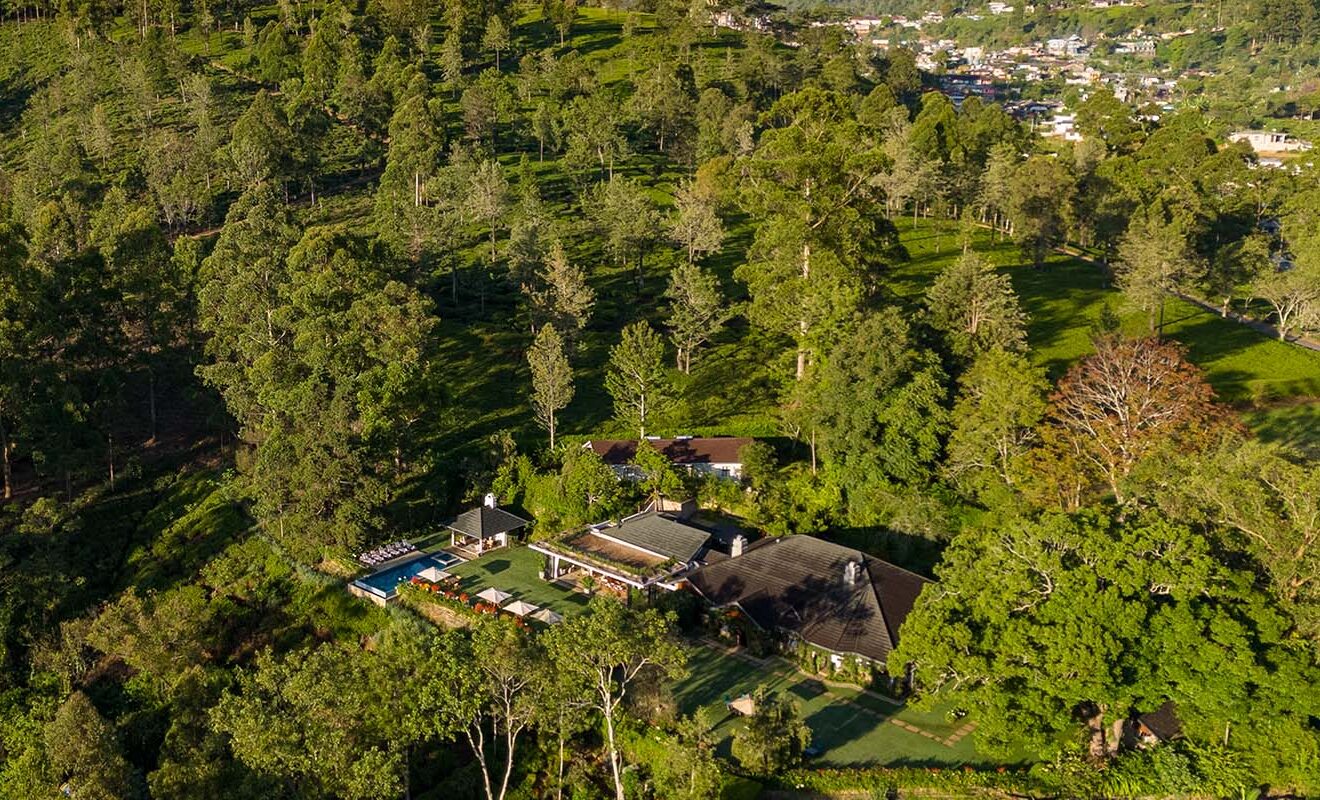
The contemporary addition — the Owner’s Cottage, the pool, the spaces that bring the estate into the present without abandoning its past — was designed in that same spirit. Old and new are not in tension at Stafford. They have simply agreed, after some consideration, to occupy the same grounds. The bungalow remains what it was built to be: a place from which to understand this particular piece of land. The additions offer a different angle on the same view.
The team that runs the estate today is, in most cases, from the valley below. Many have been here long enough to have watched the estate change and to have had a hand in shaping it. The Sunday market at Ragala, the school at the edge of town, the rhythms of harvest and mist season — these are not backdrop. They are the estate’s actual context, and the people who carry that context are the ones who make the stay what it is.
The question worth asking, before you arrive, is why this kind of stay matters — and why here, and why at this scale.
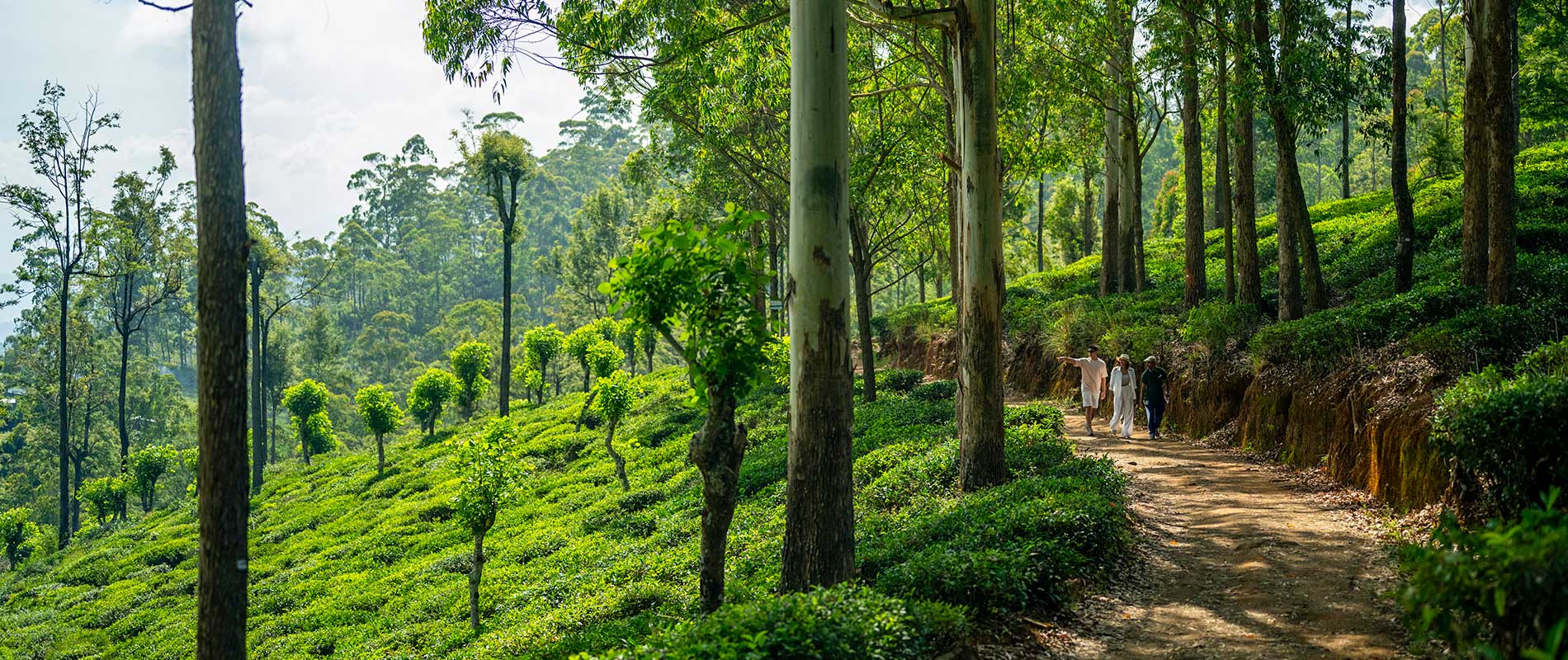
The answer is not complicated. Most of the world now offers versions of the same holiday: curated, comfortable, efficiently delivered. Stafford offers something that cannot be curated because it was not designed. An estate that has been producing tea since the year Gladstone was Prime Minister. It simply is what it is. The mist that comes in off the valley at five in the morning is not scheduled. The quiet that descends after dinner, when the fire has settled and the valley has gone dark, reflecting the star lit sky — authentic and not engineered.
What Stafford offers, at its core, is the experience of being somewhere that existed before you arrived and will continue after you leave — somewhere with its own logic, its own pace, its own deep familiarity with this particular corner of the earth. There are two ways to stay: in the Heritage Bungalow, where 1884 is a living presence rather than a historical note, or in the Owner’s Cottage, where the same estate reveals itself through a quieter, more private lens.
Either way, the fifty acres are yours to understand at whatever pace suits you. That has always been the point.


